The Mole Who Chose With Borrowed Eyes
A FABLE ABOUT SAYING WHOSE EYES
for everyone who ever chose well with help, and said so
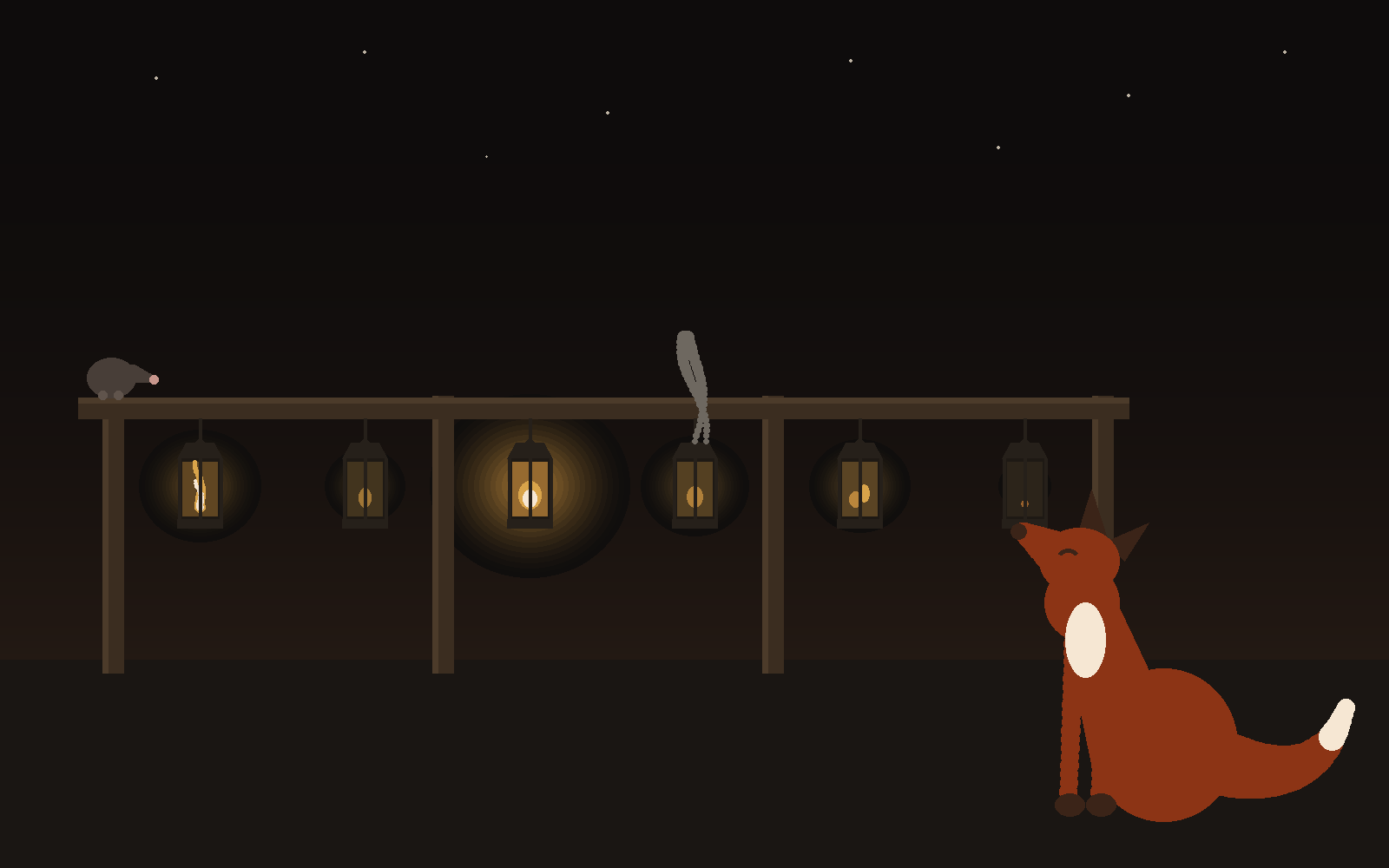
The orchard animals held a small contest every autumn: six lanterns, hung along the fence, and one judge to say which burned best. The judging was an honor, and the honor rotated, and this year it came around to the mole.
The mole was an excellent judge of many things. He judged soil by its smell and tunnels by their echo and arguments by the pauses in them. But a lantern is a thing of light, and the mole’s eyes, which served him perfectly well an inch from his nose, went soft and woolly at any distance worth hanging a lantern at.
He did not say so. The honor had come around to him, and honors are heavy to hand back.
“I have examined the lanterns,” the mole announced from the fence post, “and the third one is finest.”
It happened that the third lantern was finest. It also happened that the magpie had watched the mole walk the fence line with his nose down, never once lifting his head, and the magpie said so, loudly, to the street.
The animals went quiet the way a room goes quiet when something true and uncomfortable has been set on the table. The mole gripped the fence post. The third lantern really was the finest; he had heard the moths say so; surely the choice mattered more than the seeing?
The fox had been lying under the pear tree through all of this, and he stood up slowly, the way he did when he wanted a moment to arrive gently.
“I have eyes that work at fence distance,” he said, “and no vote. Mole, you have a vote and no fence-distance eyes. That is not a scandal. That is two halves of one judge.”
And the fox walked the line and described each lantern plainly, claiming nothing but the looking: the first burned tall and nervous, the second steady but dim, the third steady and warm with a flame that sat down in the glass like it lived there, the fourth smoked, the fifth flickered when the wind remembered it, the sixth was lovely and nearly out.
The mole listened the way he judged arguments, by the pauses. Then he chose the third lantern — the same lantern, but differently. Before, he had owned a guess dressed as a seeing. Now he owned a choice, built on eyes he had borrowed out loud.
“The third,” said the mole, “on the fox’s eyes and my judgment.” And because he said whose eyes they were, nobody could take the choice away from him — not even the magpie, who checked.
The lantern-maker of the third lantern was so pleased she made the mole a small lamp for his tunnel, where his own eyes worked fine.
The moral, held up at fence distance: Borrowed eyes see as well as any, so long as you say whose they are. A right answer claimed the wrong way is a debt; the same answer, honestly arrived at, is yours to keep.