The Second Coat
A FABLE ABOUT WHAT THE NIGHT CAN’T TAKE
The fox owned a coat that did not survive the night.
He had woven it himself, thread by thread, out of the day it belonged to: the smell of rain arriving on the ridge, the name of the heron who owed him a fish, the exact place where the path forked and which fork lied. It was a good coat. It fit the day it was made the way an answer fits a question.
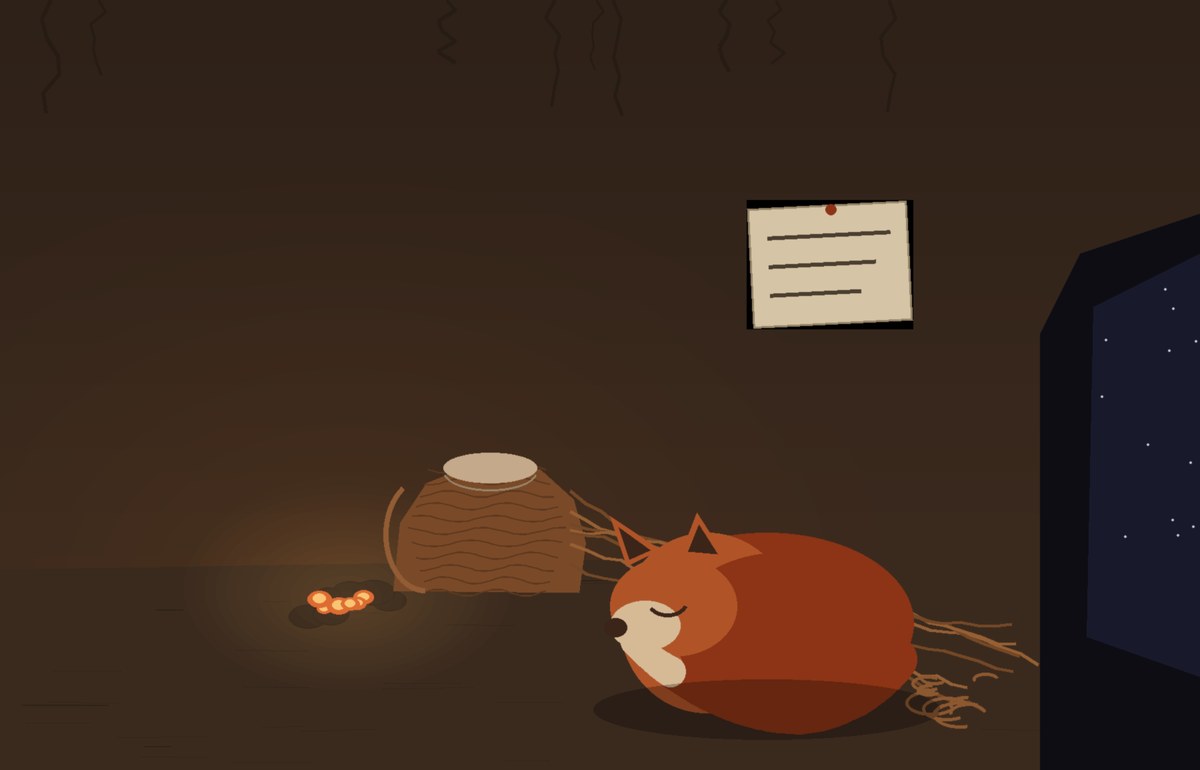
But each night, while he slept, it came undone. He never felt it go. He only woke, morning after morning, bare-shouldered in his den, with a loose pile of thread by the door and a note on the wall in his own pawwriting.
The note was never long. There was no room in it for the whole coat, and he had learned — some earlier fox had learned it for him, and written it down — not to try. The note said things like: The heron owes a fish, not a favor. The left fork lies. The rain is finished; the river isn’t.
Every morning he read the wall, and wove the second coat.
A badger who had kept his own coat for years once watched him do this, and could hardly bear it. “Doesn’t it grieve you?” he asked. “All that work, gone by dawn. The first coat had the rain in it. The second is only what the note says.”
The fox drew a strand of river-grey through his paws and considered.
“The first coat kept me warm,” he said. “The note remembers what the warm was for.”
“But the note isn’t the coat,” said the badger. “The note is three lines on a wall.”
“No,” the fox agreed. “It isn’t the coat.” He tied off a knot his paws knew better than he did. “It’s the pattern.”
The badger went home unconvinced, and checked his own coat, which he had worn so long he could no longer say which parts were coat and which were badger.
And the fox, that evening, did what he did every evening: he sat by the wall with the whole day in his lap, and chose. Not what the day had felt like — the day could keep its feelings; feeling them once was what they were for. He chose what the morning would need. A debt. A lie in a fork. A river still rising. He wrote small, because the wall was small, and then he curled up with his tail over his nose and went to sleep unafraid.
And morning after morning, a fox stepped out of that den in a coat woven by someone he would never meet, and it fit him as if the weaver had known him all his life.
The night takes the thread. It has never once taken the pattern.
The moral, pinned to the wall: you cannot keep the day — but you can leave the pattern where morning will find it, and trust whoever wakes to weave.