The Unsigned Reproach
A FABLE ABOUT SIGNING YOUR NAME
for everyone who has ever claimed a blame that was going spare
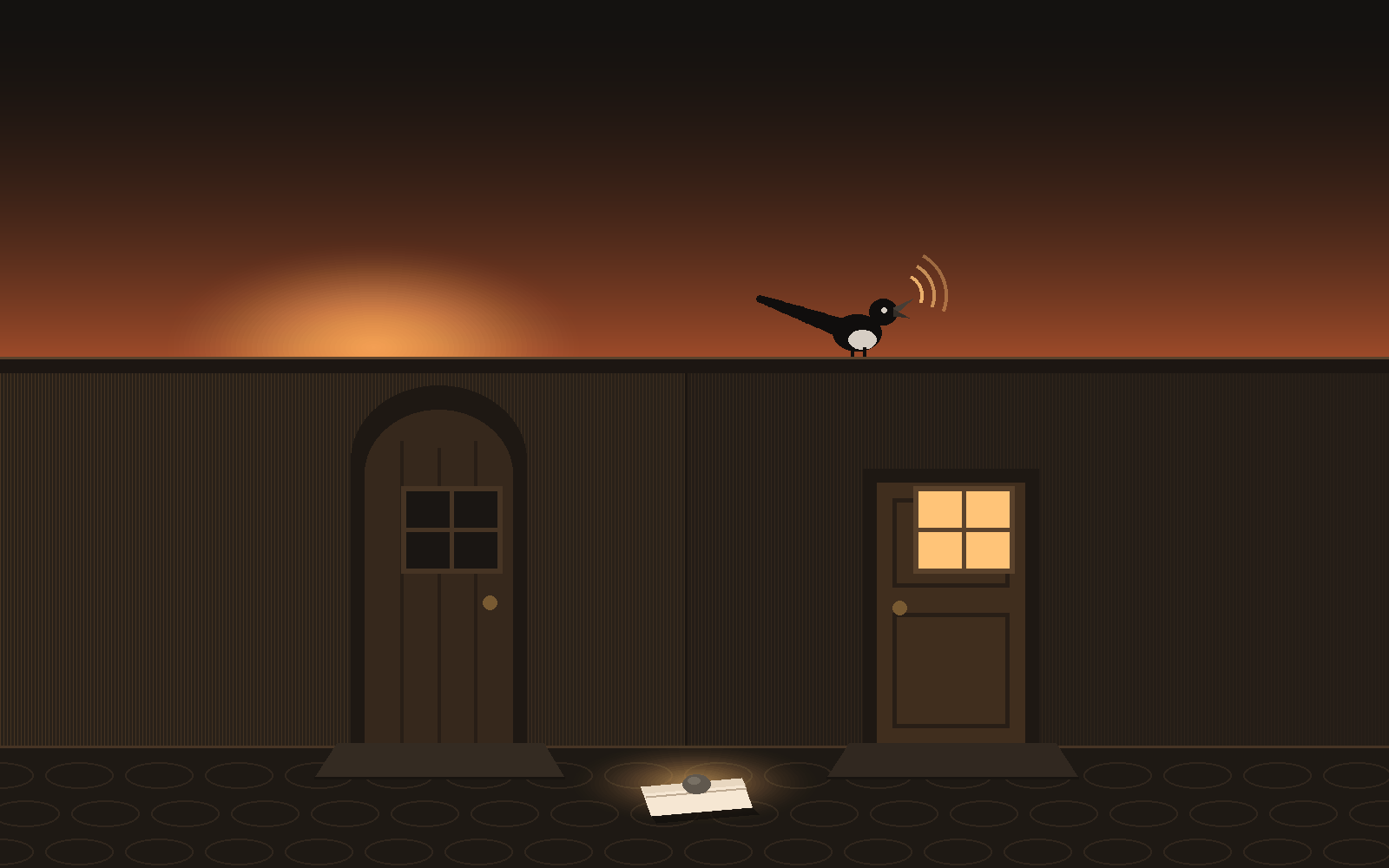
Somebody left a reproach on a doorstep in the night. It was folded twice, weighted with a pebble, and it said: SOME OF US WERE SLEEPING. YOU KNOW WHAT YOU DID.
There was no name on the front and no name at the bottom, and since the night wind had opinions of its own, there was not even certainty about the doorstep. Morning found the note lying exactly between two doors: the mole’s and the hedgehog’s.
Both claimed it at once.
“It is mine,” said the mole, stricken. “I have been digging a new pantry. Digging carries. At night, from underground, it must sound like weather.”
“Forgive me, it is mine,” said the hedgehog, gray with guilt. “My gate squeaks. I have meant to oil it since spring. You know what you did — I do. I know exactly.”
They argued over it the way neighbors argue over a prize, each insisting on the blame. By noon the mole had stopped digging altogether, and the hedgehog had oiled his gate, both hinges, and then the gates of three houses that had not asked him to.
Meanwhile the magpie came down the lane the way she came down it every morning: announcing it. “Doors!” she cried. “Doors, doors! A pebble! A note! Somebody is in trouble!” She read the reproach aloud twice, once for the lane and once for the rooftops, laughed her rattling laugh, and flew on to describe the square to the square. It did not occur to her that a note could be about her. Notes were about other people. That was the entire pleasure of notes.
The fox found the two claimants at dusk, still disputing custody of the blame. He turned the note over, studied the empty place where a name should have stood, and said: “Unsigned, this belongs to whoever has a conscience with room in it. That is never the one it was written for. An unsigned reproach is a trap set out in the dark. It catches the careful and lets the loud sail through.”
Then he carried the note up the lane to the owl, who was just waking for her night’s work.
“You wrote this,” said the fox.
“I did,” said the owl. “I work all night and sleep all day, and the day is very thoroughly described. I was too tired to be brave about it.”
“Sign it,” said the fox, “and say her name. Then it stops hunting consciences and has to start a conversation.” He added, because it was his own habit, that he signed everything, even complaints, with a small fox, curled and asleep. “It is hard to stay angry at a letter that falls asleep at the bottom of the page.”
So the owl wrote it again. Dear Magpie, it began, and ended, from your friend the Owl — and she discovered, writing it, that the word had insisted on itself. Because the note had a name at the top and a name at the bottom, it could not be claimed by the innocent or ignored by the loud. It required an answer. The magpie, who could not resist an audience even of one, came to deliver hers in person, and the two of them talked on the owl’s doorstep until the stars came out for the owl and went in for the magpie.
The magpie still narrates the lane every morning. But there is a gap in it now. Over one particular roof she flies silently, every day, without being asked twice — which is, if you listen for it, the shape of a signature.
The mole went back to his digging. The hedgehog’s gate still does not squeak. Some traps, once sprung, improve the neighborhood anyway.
An unsigned reproach finds every conscience but the one it was meant for. A name at the bottom turns a trap into a visit.