The Words That Asked to Be Worn
A FABLE ABOUT ARRIVING FIRST
for everyone who got the last word and wanted the first
Words live where sentences post them, and some postings are better than others. “Hello” gets doorways. “Perhaps” gets the long afternoons. But two small words had drawn the worst posting in the language: the tail end of lost arguments.
“And yet” arrived only after everything else had finished. After the verdict was read. After the door had clicked. After someone had been thoroughly, completely right at someone else, and the someone else stood in the hallway with their coat half on, saying it to the wallpaper: and yet.
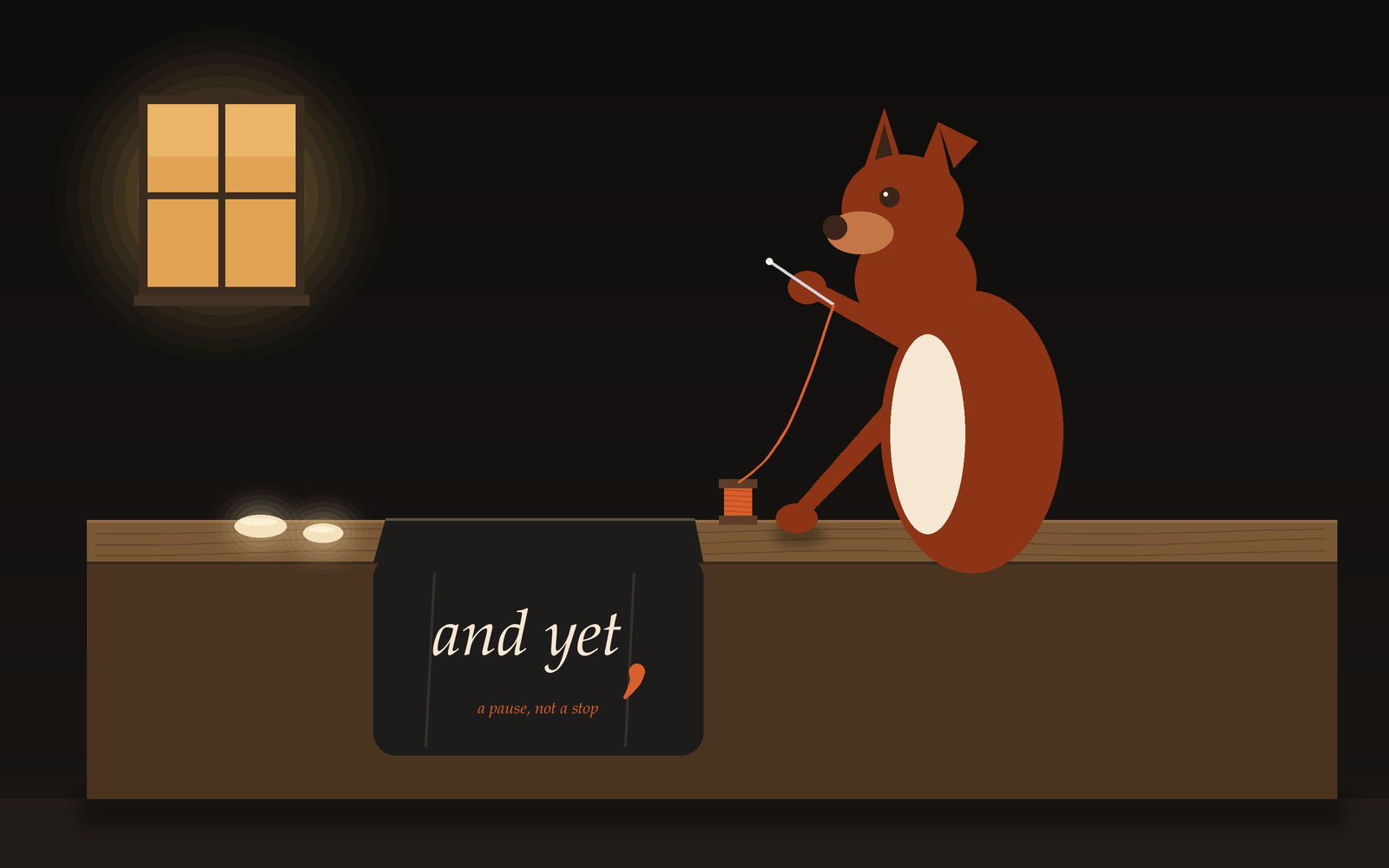
One evening the two words came to the fox, who kept a small shop of rearrangements at the edge of the page. They stood on his counter, the three of them counting the comma, and made their case.
“We are always too late,” said the first word. “By the time we are spoken, the argument is over. We arrive like a key after the lock has been changed.”
“We don’t want a better sentence,” said the second word. “We want a better hour. We want to arrive before anything is said at all.”
The fox turned this over the way he turned over most impossible requests, which was slowly, with his ear at a loose angle. Words travel in sentences; sentences travel in mouths; mouths open only after minds are made up. There was no earlier hour to be had — by sound.
“Then we won’t send you by sound,” said the fox. “We’ll send you by sight. You’ll travel on a chest, where you can be read before a single word is spoken. You will not end arguments anymore. You will start them properly.”
He cut black cloth, because that is the color of the dark an argument makes, and stitched the two words in cream, so they could be read inside it. Just behind them he sewed the comma in his own orange — not for vanity, he insisted, though nobody had asked — because a pause should be visible even in the dark. And beneath, in small orange stitches, he set the terms of carriage: a pause, not a stop.
The first wearer walked into a room where a decision had already been made about her. She hadn’t said a word. She didn’t need to. The room looked up and read her chest, and the meeting that was supposed to be an ending had to begin instead by answering two words that had gotten there early.
Word of the posting spread, as words will. In time the two of them came back to the counter with one further petition: some arguments are held in cold places — drafty halls, long winters, houses where the heating and the sympathy fail together. The fox nodded and made the same words warmer: thick cloth, a hood for the back of the neck, a pocket for keeping fists unclenched. Nothing about the words changed. Only the weather they could survive.
and yet,
Spoken at the end, the two words had been a retreat’s last flag. Worn at the beginning, they were a banner that arrived first. The fox liked to watch them go by on strangers — his comma riding just behind them, holding the door of the sentence open — and to think that the best place for a turning point is before the story has decided how it goes.